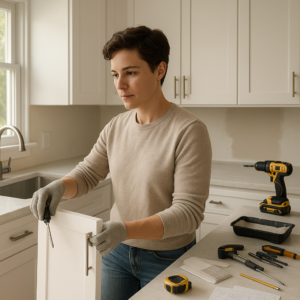
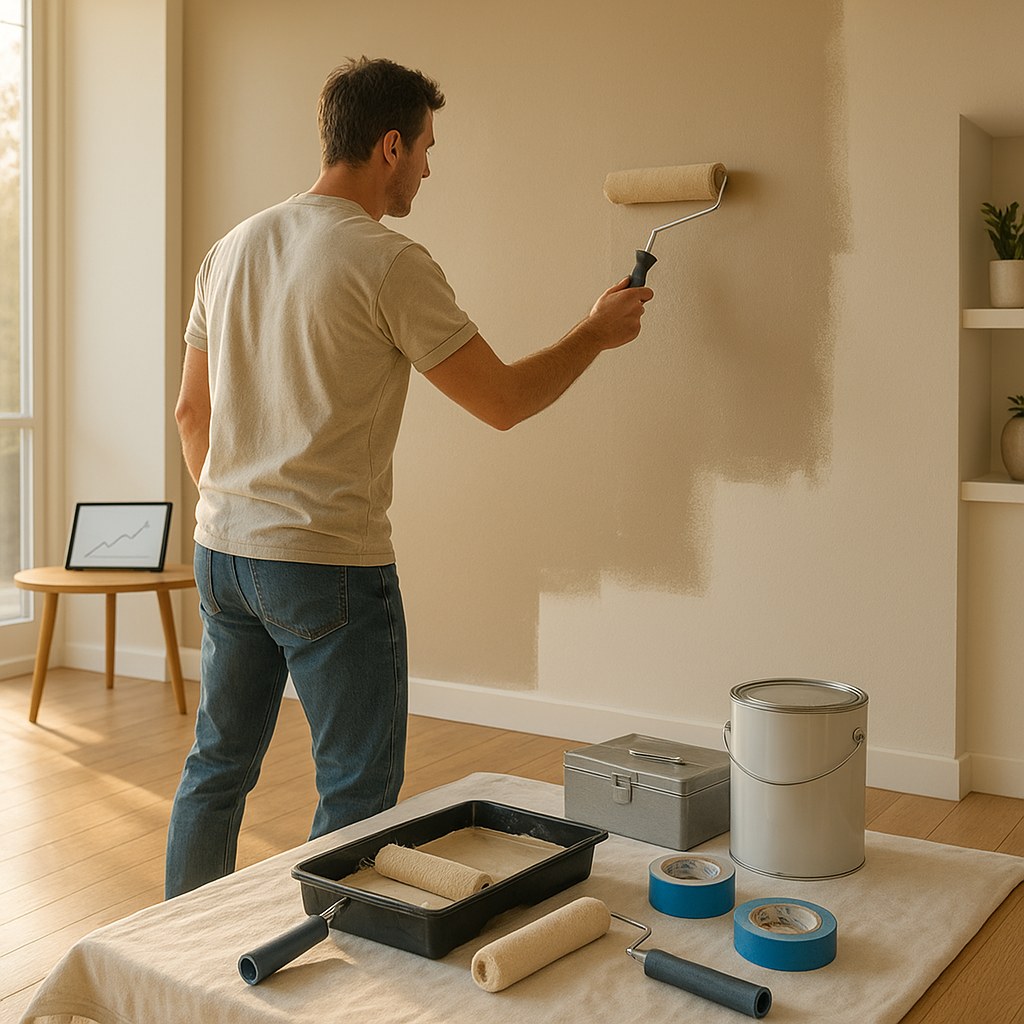
Not every home improvement has to cost a fortune to make an impact. In fact, some of the most effective equity-building projects are the ones you can tackle yourself with a weekend, a few supplies, and a bit of elbow grease. The secret lies in knowing which upgrades deliver the strongest return on investment — and which ones are just money pits dressed up in shiplap.
According to Remodeling Magazine’s 2023 Cost vs. Value Report, minor kitchen remodels recoup approximately 85.7% of their cost at resale, while garage door replacements return nearly 103%. Those numbers tell a clear story: strategic, budget-conscious improvements consistently outperform large-scale luxury renovations when it comes to building equity.
This guide walks through the highest-impact, lowest-cost DIY projects that can meaningfully increase your home’s value — plus the pitfalls to avoid along the way.
Why Equity Growth Matters More Than Ever
Home equity is the difference between what your home is worth and what you owe on your mortgage. It’s essentially forced savings — and one of the most powerful wealth-building tools available to the average American household. The Federal Reserve reports that homeowner equity hit record levels in recent years, with the average mortgage holder sitting on over $300,000 in tappable equity.
Growing that equity faster doesn’t always require a construction crew or a second mortgage. Well-chosen DIY projects can add thousands in appraised value for a fraction of what professional renovations cost, especially when labor typically accounts for 20% to 40% of any remodeling budget.
Fresh Paint: The Highest ROI Project Under $500
If there’s a single DIY project that punches above its weight, it’s painting. A fresh coat transforms tired spaces, photographs beautifully for listings, and signals to buyers that a home has been well maintained.
Interior Walls and Trim
Neutral tones — warm whites, soft grays, and greige — consistently outperform bold color choices when it comes to resale appeal. Zillow’s paint color analysis found that homes with light neutral interiors sold for up to $4,000 more than similar homes with darker or unusual color schemes. A gallon of quality paint runs $35 to $60, and most rooms require just two to three gallons.
Don’t overlook trim, baseboards, and doors. Fresh white trim against a neutral wall creates a crisp, finished look that photographs well and makes spaces feel larger.
Exterior Touch-Ups
You don’t need to repaint the entire exterior to boost curb appeal. Painting just the front door, shutters, and trim can dramatically change how a home presents from the street. A classic black or navy front door has been shown to increase perceived home value by as much as $6,500, according to some real estate surveys — all for under $50 in materials.
Kitchen Updates Without the Gut Renovation
Full kitchen remodels average $25,000 to $75,000 and often recoup less than half that at resale. Smart DIYers skip the demolition and focus on surface-level upgrades that deliver outsized visual impact.
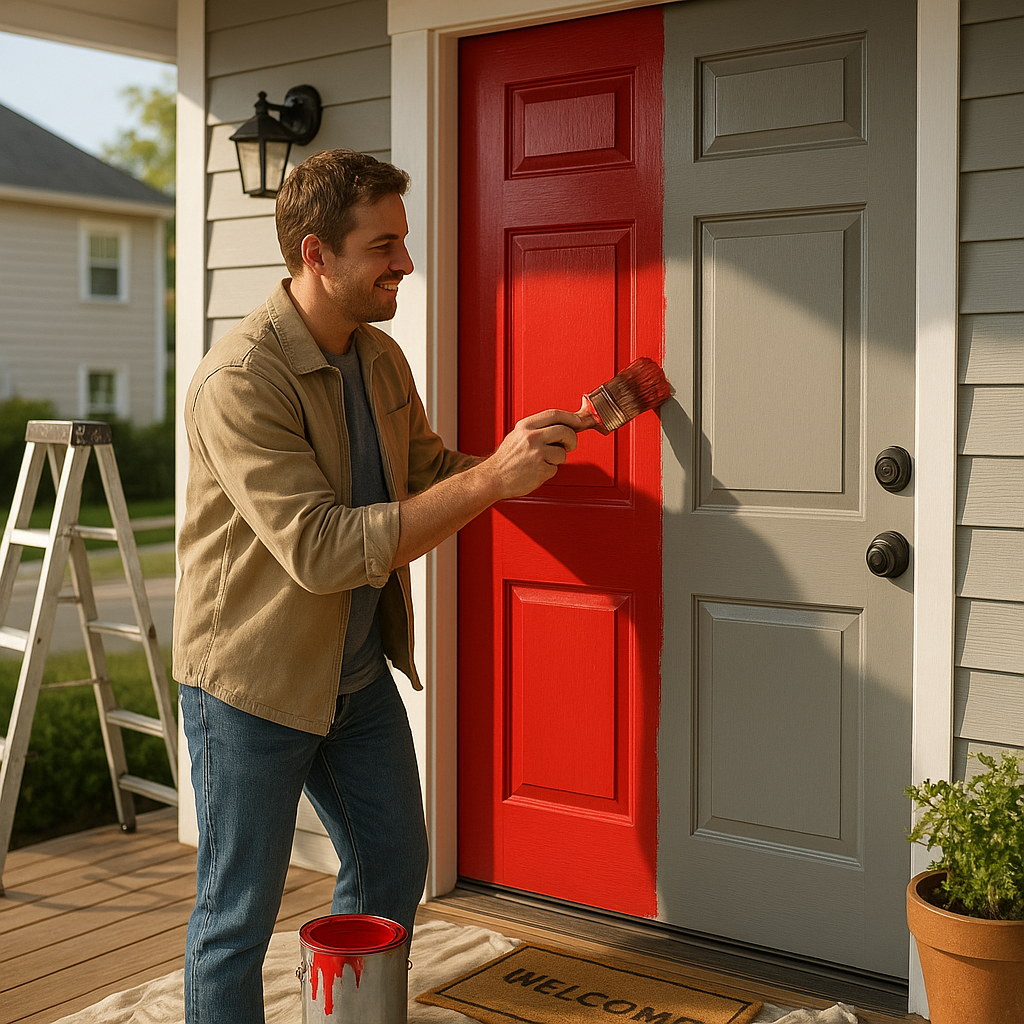
- Paint or reface cabinet doors — New cabinet paint or a professional-looking refacing job costs $500 to $2,000 versus $8,000+ for replacement. Modern colors like sage green, navy, or warm white are buyer favorites.
- Swap out hardware — New pulls and knobs run $3 to $8 each and take minutes to install. Matte black and brushed brass remain strong sellers.
- Install a new faucet — A pull-down sprayer faucet costs $100 to $250 and instantly modernizes the sink area.
- Add a peel-and-stick backsplash — Modern options look remarkably close to real tile at a tenth of the cost. Budget $50 to $150 for an average kitchen.
- Upgrade lighting — Under-cabinet LED strips and a statement pendant over the island create a designer feel for under $200.
Taken together, these five updates can be completed for under $1,000 and routinely add $5,000 to $10,000 in perceived value. For more ideas on maximizing your renovation budget, check out these smart DIY renovations that deliver rapid returns.
Bathroom Refreshes That Impress Appraisers
Bathrooms are second only to kitchens in influencing buyer decisions, and small changes go a long way here. Focus on cleanliness, light, and modern fixtures.
Re-grouting or applying fresh caulk costs almost nothing but eliminates one of the biggest visual red flags for buyers. A new vanity light fixture ($75 to $200), updated mirror ($50 to $150), and fresh paint in a light, spa-like tone can transform the space in a single weekend. Replacing an old toilet seat and adding a new showerhead ($30 to $80) complete the refresh without touching plumbing.
For dated vanities, paint and new hardware work the same magic they do in the kitchen. A tired oak vanity painted in a deep charcoal with new matte black pulls looks like a $2,000 upgrade for about $60.
Curb Appeal: First Impressions That Add Thousands
Buyers form opinions within seven seconds of arriving at a property, which is why exterior improvements offer some of the strongest returns. The National Association of Realtors estimates that quality landscaping alone can add 10% to 12% to a home’s value.
High-Impact, Low-Cost Exterior Projects
- Mulch and edge garden beds — Fresh mulch costs $3 to $5 per bag and instantly sharpens the entire yard. Clean edges define spaces and signal care.
- Plant seasonal color — Flanking the front door with matching planters creates symmetry and warmth for under $100.
- Power wash everything — Driveways, walkways, siding, and decks often just need a deep clean. Rent a power washer for $50 a day and the transformation can be startling.
- Update house numbers and mailbox — Modern, oversized numbers and a new mailbox cost $50 to $150 and subtly elevate the whole facade.
- Add exterior lighting — Solar path lights and a new porch fixture improve both safety and nighttime curb appeal.
Energy Efficiency Upgrades Buyers Actually Pay For
Today’s buyers increasingly factor utility costs into purchasing decisions. The U.S. Department of Energy notes that air sealing and insulation improvements can reduce heating and cooling costs by up to 20%, and these upgrades are heavily featured in modern listings.
Weatherstripping doors and windows costs under $100 and pays for itself within a single season. Adding attic insulation — often a DIY-friendly blown-in job — costs $300 to $800 for an average home and is one of the few projects with an ROI that frequently exceeds 100%. Smart thermostats ($100 to $250) and LED lighting conversions round out the high-impact list.
In What Order Should You Renovate a House?
This is one of the most common questions homeowners ask, and the answer matters more than most realize. Renovating in the wrong order can mean redoing finished work — a costly mistake.
The logical sequence follows this pattern: structural and safety issues first (roof, foundation, electrical, plumbing), then mechanical systems (HVAC, insulation, windows), then surface renovations (kitchens, baths, flooring), and finally cosmetic touches (paint, landscaping, decor). For DIY projects specifically, tackle anything messy — like drywall repair or flooring — before painting, and paint before installing new fixtures.
Ten Things That Make a Home Look Cheap
Just as some improvements build equity, others quietly erode it. Here are the most common offenders worth correcting:
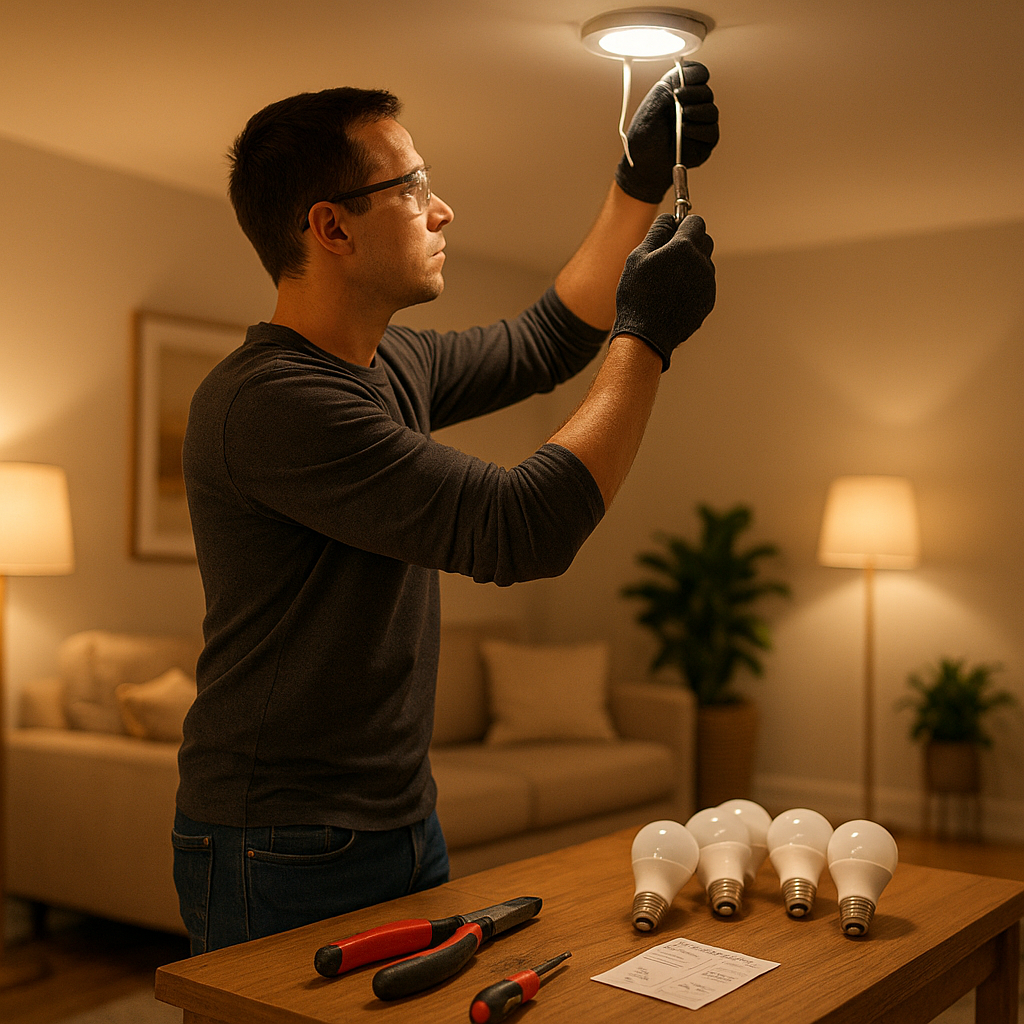
- Outdated brass or builder-grade light fixtures
- Worn, stained, or mismatched carpeting
- Cluttered countertops and overflowing closets
- Old vertical blinds or heavy dated curtains
- Scuffed walls with mismatched touch-up paint
- Yellowed outlet covers and switch plates
- Overgrown or patchy landscaping
- Mismatched hardware finishes throughout the home
- Damaged or peeling caulk in kitchens and baths
- Visible cords, wires, and cluttered entertainment areas
Nearly every item on this list costs under $200 to fix — and correcting several at once can noticeably shift how appraisers and buyers perceive the property.
How to Take Equity Out of Your Home for Home Improvements
For projects beyond a DIY budget, many homeowners tap existing equity rather than using credit cards or personal loans. The three most common routes are:
A home equity loan provides a lump sum at a fixed interest rate — ideal for a single defined project. A HELOC (home equity line of credit) works like a credit card secured by your home, offering flexibility for phased renovations. A cash-out refinance replaces your existing mortgage with a larger one, giving you the difference in cash — though this option makes the most sense when current rates are favorable compared to your existing loan.
Financial advisors generally recommend borrowing only for improvements that increase home value or reduce long-term costs, rather than purely cosmetic upgrades. And since these loans are secured by your home, careful budgeting matters.
Stretching Every Dollar: Smart Money Habits for DIY Projects
The most successful DIY renovators share a few habits that consistently save 30% or more on project costs. Shop reclaimed material stores like Habitat for Humanity ReStores, where doors, fixtures, and lumber sell for a fraction of retail. Time major purchases around holiday sales — Memorial Day, Labor Day, and Black Friday reliably offer the deepest discounts on appliances and materials. Rent specialty tools instead of buying them, and don’t underestimate the value of free tutorials for learning proper technique before starting.
Most importantly, budget a 10% to 15% contingency even on small projects. Opening a wall or removing old flooring has a way of revealing surprises, and a financial buffer keeps surprises from becoming debt. These financial benefits of DIY interior updates compound quickly when you apply smart shopping strategies to every project.
Conclusion: Small Projects, Big Equity Gains
Building home equity doesn’t require a six-figure renovation budget. Fresh paint, updated kitchens and bathrooms, strong curb appeal, and energy-efficient improvements consistently deliver the highest returns — often recouping 80% to 100% or more of their cost at resale. Just as important is knowing what to avoid: dated fixtures, worn finishes, and neglected exteriors quietly drag down value, but most can be corrected for under $200 each.
For larger projects, equity-based financing tools like HELOCs and cash-out refinances offer lower-interest funding paths, provided the improvements genuinely add value. Start with the highest-impact, lowest-cost projects first, work in the proper renovation order, and let each improvement compound the next. Over time, these strategic weekend projects can add tens of thousands of dollars in equity — no contractor required.